NEWS
https://www.greenentrepreneur.com/video/355650
LEGALIZE IT IN 2021 AND NON' CRITICIZE IT
KEEP LEGALIZING IT AND DONT CRITICIZE IT.
MAXIMUM RESPECT RESPECT. IT IS THE HEALING OF THE NATION.
NEWS
Legalize it and we will advertise it to the wonderful world of ours.
https://www.facebook.com/LegalizeItDontCriticizeIt/videos/961119407373156/
****************************************************************************
NEWS
"INCREDIBLE HEALTH BENEFITS OF CANNABIS OIL EVERYONE SHOULH KNOW"
http://thenativepeople.net/2017/07/28/7-incredible-health-benefits-cannabis-oil-everyone-know/
******************************************************************************************************
NEWS
"7 REALLY SURPRISING HEALTH BENEFITS FROM SMOKING MARIJUANA"
MORE SOLID REASONS WHY WE SHOULD LEGALIZE IT ALL OVER THE WORLD
http://metro.co.uk/2016/03/07/7-really-surprising-health-benefits-from-smoking-cannabis-5738619/
*************************************************************************************************************
NEWS
**********************************************************************************************************************
NEWS
Autistic Boy Gains Ability to Speak After Just 2 Days of Cannabis Oil Treatment
http://www.healthnutnews.com/autistic-boy-gains-ability-to-speak-after-just-2-days-of-cannabis-oil-treatment/
*****************************************************************************************************************
NEWS
"Unlike many other prescription medications it is impossible to die from an overdose on cannabis, making it a safer alternative medicine for many medical condit...ions. Research on cannabis is steadily increasing but more will be required to understand fully the benefits and potential harms of using it to treat certain medical conditions."
https://www.greenrushdaily.com/2016/07/14/medical-conditions-treatable-marijuana/
*****************************************************************************************************************
NEWS
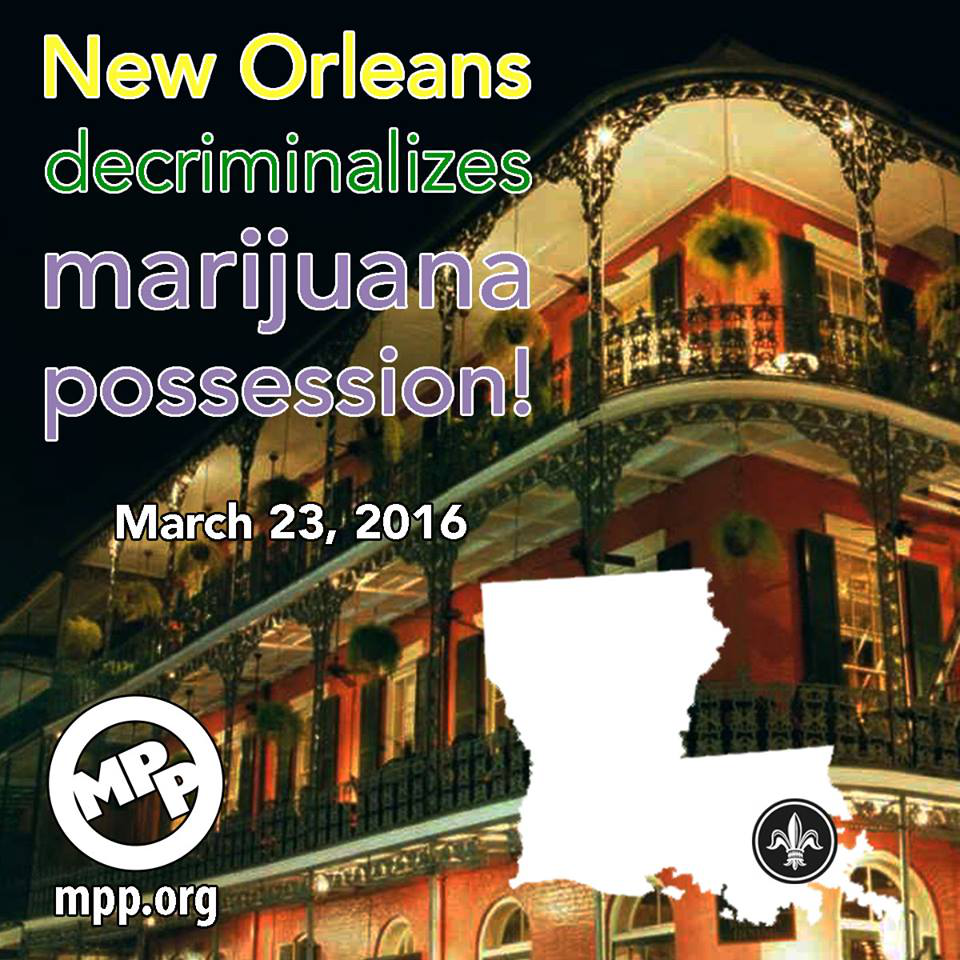
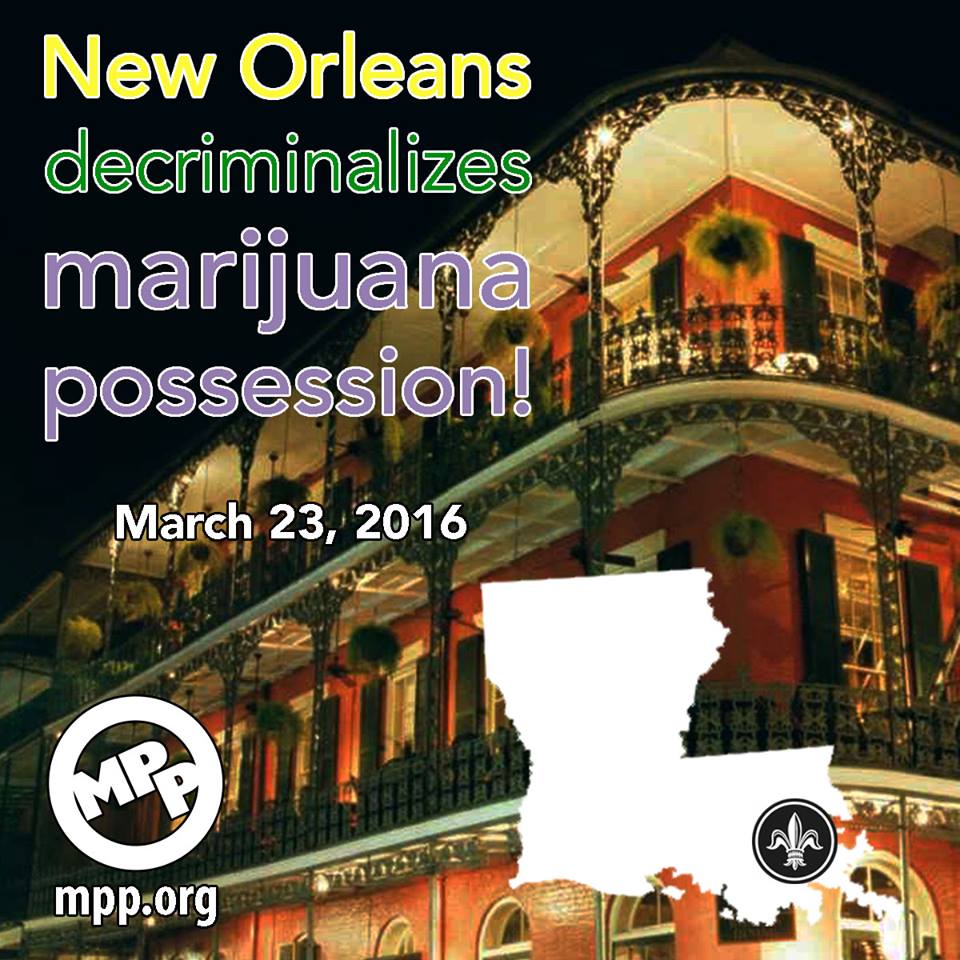
Yesterday March 23rd, Mayor Mitch Landrieu of New Orleans signed into law an ordinance decriminalizing marijuana possession in the City of New Orleans! The ordinance becom...es effective on June 21, 2016.
Thanks to everyone who spoke out or turned out in support and congratulations to CommonSenseNOLA, who has been leading the charge!
..................................................................................................................................................................................................................................................................................................................................................................
NEWS
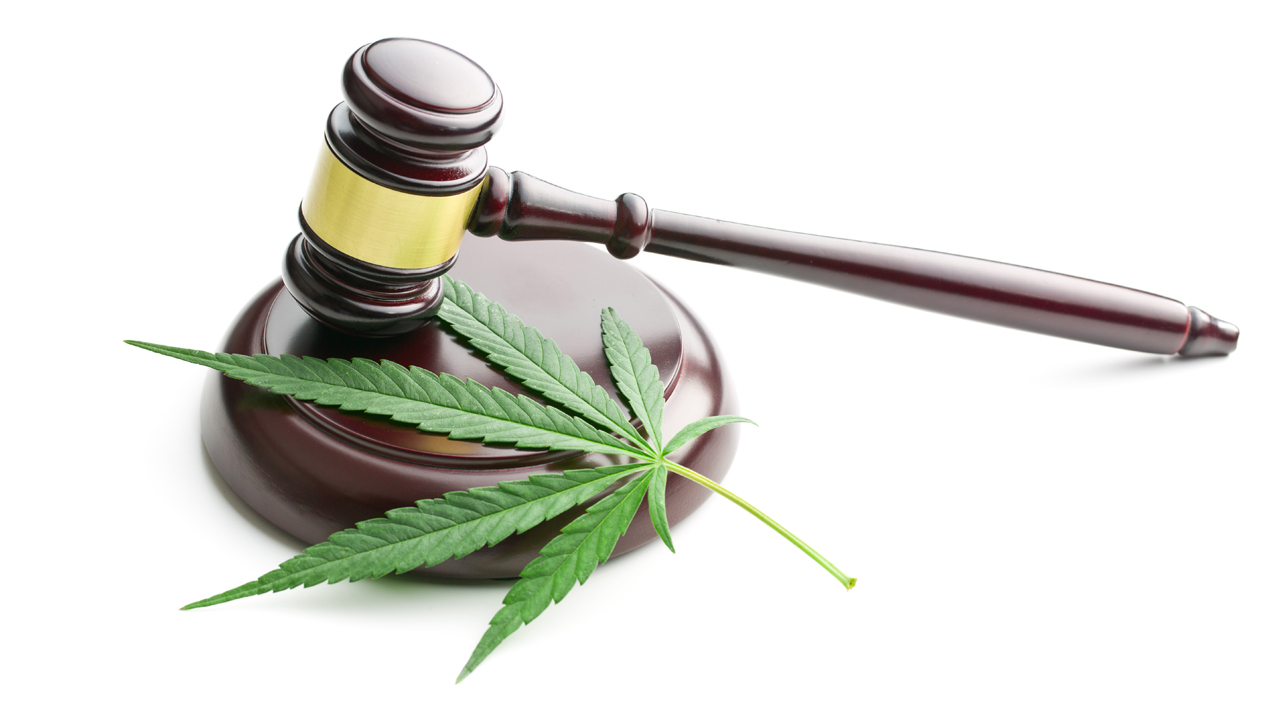
Australian Government Passes Bill To Legalize Medicinal Marijuana
The Narcotic Drugs Amendment Bill 2016, seeking to establish licensing and permit schemes for the cultivation and production of cannabis and cannabis resin for medicinal and scientific purposes, has passed both houses of parliament today.
A “state or territory government agency” will be authorized to undertake cultivation and production of cannabis and manufacture of medicinal cannabis products. An amendment will also be made to the Therapeutic Goods Act 1989.
The new law will “provide a legislative framework that will enable cannabis cultivation in Australia and provide Australian patients in need with access to medicinal cannabis for therapeutic purposes,” the bill reads.
“These amendments will also ensure that when cultivation and production of cannabis and manufacture of cannabis products for medicinal purposes begin, Australia will remain compliant with its international treaty obligations as defined in the United Nations Single Convention on Narcotic Drugs, 1961.”
The Commonwealth currently has laws to regulate the import, export and manufacture of cannabinoids and cannabis raw material, but these do not allow the cultivation in Australia of cannabis plants for medicinal purposes. The manufacturing provisions in the Narcotic Drugs Act 1967 are considered inadequate to properly manage the risks associated with the potential for diversion of medicinal cannabis products and other narcotic drugs.
The Commonwealth is unable to grant licenses for the production of locally cultivated cannabis for medical use and remain compliant with the obligations contained in the Single Convention. As a signatory to the Single Convention, Australia agrees that the licit use of narcotic drugs must be tightly regulated to ensure that public health is protected from the risks of diversion into illicit markets.
Cannabis sativa (cannabis) is a narcotic drug that is tightly controlled in Australia. The cultivation, production, manufacture, import, export, distribution, trade, possession, use and supply of cannabis and cannabis derived products are regulated by a number of Commonwealth laws, including the Narcotic Drugs Act 1967, which addresses the manufacture of narcotic substances (including cannabis).
The amendments to the Narcotic Drugs Act 1967 will ensure that any therapeutic product, including medicinal cannabis, also meets Australia’s strict international obligations safe-guarding its production, manufacture and distribution for medical and scientific purposes only.
The amendments will establish a licensing scheme for the cultivation of cannabis for medicinal and related scientific purposes. The key features of the cannabis cultivation license scheme include:
• Two cannabis licenses, one that authorizes the cultivation of cannabis for manufacture into medicinal cannabis products; the second that authorizes research into the cannabis plant that is to be used for medicinal purposes. This could include research into growing conditions, cannabinoid yields from different strains, ensuring consistency in yields and other matters related to ensuring a safe, predictable raw material.
• A strict ‘fit and proper person’ test that will be applied to the applicant and relevant business associates and involve consideration of a range of matters including criminal history, connections, associates and family, financial status, business history and capacity to comply with licensing requirements. License holders will also be expected to remain ‘fit and proper’. This test is explicitly designed to ensure the exclusion of criminal elements, including organized crime, which may be tempted to use the license scheme as cover for illegal activities.
• A need to demonstrate a supply arrangement exists with a licensed manufacturer, in order to get a license.
• A permit system for controlling how much cannabis can be produced. This will assist in meeting a key obligation of the Single Convention to prevent over-production. Other than in the case of research, a permit will not be granted for production unless a contract exists between the license holder and a licensed manufacturer.
• Conditions applying to the license that ensures security of the crop so that it is not diverted to illicit uses.
• Substantial penalties for offenses for breaches of conditions and for undertaking unauthorized activities.
• A comprehensive suite of regulatory controls including: powers to give directions to license holders; of inspection, monitoring and investigation; to issue infringement notices and seek civil penalties; to accept enforceable undertakings and to seek injunctions – all to assist in ensuring the integrity of the system.
The existing manufacturing provisions are also to be updated to mirror the cannabis license provisions. Where a cannabis license holder must demonstrate a business relationship with a licensed manufacturer, the licensed manufacturer must be able to demonstrate a legitimate supply chain to patients consistent with provisions of the Therapeutic Goods Act 1989. In effect, this will limit production and supply to legitimate demand.
Demand will be determined by suitable medical practitioners, in accordance with provisions in the Therapeutic Goods Act, such as clinical trials, authorized prescribers and the Special Access Scheme. Importantly, the Secretary of the Department of Health will have the power to order the destruction of cannabis produced by a license holder. This allows the Secretary to control the level of production and prevent accumulation (or rectify accumulation, if it has occurred).
The Bill confers decision-making powers on the Secretary (previously the Minister) so that an internal review provision, undertaken by the Minister, can be facilitated. This gives applicants and license holders subject to adverse decisions a more timely and less expensive option than seeking review by the Administrative Appeals Tribunal directly.
The Government anticipates that there will be costs involved in the regulation of the cultivation licensing scheme, such as “administration of license and license variation applications, site inspections(to support application decisions), post-license inspections, sampling and testing and the acquisition of law enforcement data to allow determinations related to ‘fit and proper’ person test, as well as other compliance and law enforcement activities.
The Government has has proposed that these be funded from a cost-recovery scheme “consistent with the Commonwealth’s cost-recovery guidelines.”
*****************************************************************************************************************************************
NEWS
Dustin Walker's photo.
*****************************************************************************************************************************************************************************
NEWS
Oregon Will Pay Reparations To Individuals Formerly Convicted Of Marijuana Related Crimes
Posted on May 26, 2015 by Priscilla Mason
State officials have announced that starting July 15th, Oregon will begin issuing reparations payments to those previously convicted of marijuana related crimes within the past decade. The decision comes hot on the heels of the marijuana legalization measure which takes effect July 1st throughout Oregon.
Carol Shapiro is the newly appointed coordinator for the Oregon Department of Marijuana Reparations, and he elaborated on how this system will work to get those effected by previous laws, back on their feet. “These were essentially incidents that should have never have been tried as crimes to begin with. Thousands of people have payed dearly over the years for laws which have criminalized a substance that is basically less dangerous than any over-the-counter painkiller.”
“Individuals who was served prison time for drug offenses involving marijuana within the last 10 years will automatically be eligible for a refund of any fines and fees incurred as a result of those convictions, as well as compensation for pain and suffering endured from being incarcerated. These parties will also have their records automatically expunged. We are hoping that these actions will correct the injustices previously inflicted upon innocent citizens, and help them to go on with their lives.”
This news comes as a bittersweet relief to those who have faced serious consequences within the last 10 years for their involvement in marijuana growing operations. People such as Portland native Marcus Ford who spent two years in prison in 1999 after his marijuana growing operation was discovered by police. “What can I say. It’s not like I am going to get those years of my life back or get the job back that I lost at the time. I don’t think the federal government is aware of the scope of what people have had to deal with when they went to jail for things as innocuous as marijuana. I didn’t see my kids for 2 years. I spent an additional 4 years on probation. It literally made my life hell and caused my family so much stress and anguish. I am glad they are trying to make up for it, but basically no amount of money is going to replenish what I lost when I got locked up for growing. It’s a relief that they understand the error of their ways now, but keep in mind a lot of us have paid the ultimate price in this pointless war.”
*******************************************************************************************************************************
News
New Report: World Leaders Call For Ending Criminalization of Drug Use and Possession and Responsible Legal Regulation of Psychoactive Substances
September 8, 2014
Former Presidents of Brazil, Chile, Colombia, Mexico, Poland, Portugal and Switzerland Join With Kofi Annan, Richard Branson, George Shultz, Paul Volcker And Others To Make Bold, New Recommendations for Major Paradigm Shift in Global Drug Policy on the Road to UN Special Session on Drugs in 2016
EXECUTIVE SUMMARY & DOWNLOAD
September 9th, 2014 – Today, the Global Commission on Drug Policy is releasing Taking Control: Pathways to Drug Policies that Work, a new, groundbreaking report at a press conference in New York City. The event will be live-streamed and speakers include former Brazilian President Fernando Henrique Cardoso, former Mexican President Ernesto Zedillo, former Colombian President César Gaviria, former Swiss President Ruth Dreifuss, Richard Branson and others.The Commissioners will then meet with UN Secretary General Ban Ki-Moon and UN Deputy Secretary General Jan Eliasson in the afternoon following the press conference.
The report reflects the evolution in the thinking of the Commissioners, who reiterate their demands for decriminalization, alternatives to incarceration, and greater emphasis on public health approaches and now also call for permitting the legal regulation of psychoactive substances. The Commission is the most distinguished group of high-level leaders to ever call for such far-reaching changes.
In 2011, the Commission’s initial report broke new ground in both advancing and globalizing the debate over drug prohibition and its alternatives. Saying the time had come to “break the taboo”, it condemned the drug war as a failure and recommended major reforms of the global drug prohibition regime.
The Commission’s work has helped to create conditions for not just former presidents but current presidents to speak out as well. The Commission’s calls for reform were joined by current Presidents Juan Manuel Santos in Colombia, Otto Perez Molina in Guatemala, and José Mujica in Uruguay, as well as then-President Felipe Calderón in Mexico. At the Summit of the Americas in April 2012, drug policy reform was a major topic of debate for the first time in the Summit’s history. In May 2013, the Organization of American States produced a report, commissioned by heads of state of the region, which included legalization as a likely policy alternative. Last December, Uruguay then took the discussion another step further by becoming the first country in the world to approve the legal regulation of the production, distribution and sale of marijuana.
These developments instigated the process that resulted in the upcoming UN General Assembly Special Session (UNGASS) on Drugs in 2016, which will present the opportunity to lay the foundation of a new drug control regime for the 21stcentury. Whereas the previous UNGASS meeting in 1998 was dominated by rhetorical calls for a “drug-free world” and concluded with unrealistic goals regarding illicit drug production, the Global Commission hopes that the forthcoming meeting in 2016 will consider its recommendations and be used as a space for reshaping drug policy along the principles of human rights, public health and scientific evidence, and allowing member States to take control.
“The facts speak for themselves. It is time to change course,” said Kofi Annan, Chair of the Kofi Annan Foundation and convenor of the West Africa Commission on Drugs (chaired by former President Olusegun Obasanjo, of Nigeria), which presented wide-ranging recommendations for drug policy reform earlier this year. “We need drug policies informed by evidence of what actually works, rather than policies that criminalize drug use while failing to provide access to effective prevention or treatment. This has led not only to overcrowded jails but also to severe health and social problems.”
“Ultimately, the global drug control regime must be reformed to permit legal regulation,” said former president of Brazil Fernando Henrique Cardoso. “Let’s start by treating drug addiction as a health issue – rather than as a crime – and by reducing drug demand through proven educational initiatives. But let’s also allow and encourage countries to carefully test models of responsible legal regulation as a means to undermine the power of organized crime, which thrives on illicit drug trafficking.”
“As several European countries became aware of the harms caused by repressive drug policies, they adopted harm reduction and innovative treatment strategies like needle exchange, substitution therapies, heroin prescription and safe consumption rooms, as well as the the decriminalization of drug consumption and possession for personal use”, said former Swiss president Ruth Dreifuss. “Such lifesaving and safety enhancing measures represent only half of the way to dealing responsibly with drugs in our societies. Regulating the whole chain, from the production to the retail of drugs, allows to rollback criminal organizations, secure quality standards and protect people’s life, health and safety.”
“Health-based approaches to drug policy routinely prove much less expensive and more effective than criminalization and incarceration,” said former President of Mexico Ernesto Zedillo. “Decriminalization of drug consumption is certainly crucial but not sufficient. Significant legal and institutional reforms, both at the national and international levels, are needed to allow governments and societies to put in place policies to regulate the supply of drugs with rigorous medical criteria, if the engines of organized crime profitting from drug traffic are to be truly dismantled.”
“We can’t go on pretending the war on drugs is working,” said Richard Branson, founder of the Virgin Group. “We need our leaders to look at alternative, fact-based approaches. Much can be learned from successes and failures in regulating alcohol, tobacco or pharmaceutical drugs. The risks associated with drug use increase, sometimes dramatically, when they are produced, sold and consumed in an unregulated criminal environment. The most effective way to advance the goals of public health and safety is to get drugs under control through responsible legal regulation.”
Taking Control makes seven major recommendations, which can be summarized as follows:
– Put health and community safety first through a fundamental reorientation of policy priorities and resources, from failed punitive enforcement to proven health and social interventions.
– Ensure equitable access to essential medicines, in particular opiate-based medications for pain.
– Stop criminalizing people for drug use and possession – and stop imposing “compulsory treatment” on people whose only offense is drug use or possession.
– Rely on alternatives to incarceration for non-violent, low-level participants in illicit drug markets such as farmers, couriers and others involved in the production, transport and sale of illicit drugs.
– Focus on reducing the power of criminal organizations as well as the violence and insecurity that result from their competition with both one another and the state.
– Allow and encourage diverse experiments in legally regulating markets in currently illicit drugs, beginning with but not limited to cannabis, coca leaf and certain novel psychoactive substances.
-Take advantage of the opportunity presented by the upcoming UNGASS in 2016 to reform the global drug policy regime.
Commission Members
(those speaking at press conference are underlined in red):
-Kofi Annan, former Secretary General of the United Nations and chair of the Kofi Annan Foundation, Ghana
-Louise Arbour, former UN High Commissioner for Human Rights, Canada
-Pavel Bém, former Mayor of Prague, Czech Republic
-Richard Branson, entrepreneur, advocate for social causes, founder of the Virgin Group, cofounder of The Elders, United Kingdom
-Fernando Henrique Cardoso, former President of Brazil (chair)
-Maria Cattaui, former Secretary-General of the International Chamber of Commerce, Switzerland
-Ruth Dreifuss, former President of Switzerland and Minister of Home Affairs
-César Gaviria, former President of Colombia
-Asma Jahangir, human rights activist, former UN Special Rapporteur on Arbitrary, Extrajudicial and Summary Executions, Pakistan
-Michel Kazatchkine, UN Secretary General Special Envoy on HIV/AIDS in Eastern Europe and Central Asia, and former executive director of the Global Fund to Fight AIDS, Tuberculosis and Malaria, France
-Aleksander Kwasniewski, former President of Poland
-Ricardo Lagos, former President of Chile
-George Papandreou, former Prime Minister of Greece
-Jorge Sampaio, former President of Portugal
-George P. Shultz, former Secretary of State, United States (honorary chair)
-Javier Solana, former European Union High Representative for the Common Foreign and Security Policy , Spain
-Thorvald Stoltenberg, former Minister of Foreign Affairs and UN High Commissioner for Refugees, Norway
-Mario Vargas Llosa, writer and public intellectual, Peru
-Paul Volcker, former Chairman of the United States Federal Reserve and of the Economic Recovery Board
– John Whitehead, former Deputy Secretary of State, former Co-Chairman Goldman Sachs & Co. and founding Chairman, 9/11 Memorial & Museum
-Ernesto Zedillo, former President of Mexico
Information for the press:
Tony Newman (646) 335-5384 – tnewman@drugpolicy.org
Download Press release in spanish
Download Press release in french
Download Press release in portuguese
Download Press release in russian
www.globalcommissionondrugs.org
secretariat@globalcommissionondrugs.org
News
UCSF Study Finds Medical Marijuana Could Help Patients Reduce Pain with Opiates
A UCSF study suggests patients with chronic pain may experience greater relief if their doctors add cannabinoids – the main ingredient in cannabis or medical marijuana – to an opiates-only treatment.
A UCSF study suggests patients with chronic pain may experience greater relief if their doctors add cannabinoids – the main ingredient in cannabis or medical marijuana – to an opiates-only treatment. The findings, from a small-scale study, also suggest that a combined therapy could result in reduced opiate dosages.
More than 76 million Americans suffer from chronic pain – more people than diabetes, heart disease and cancer combined, according to the National Centers for Health Statistics.
“Pain is a big problem in America and chronic pain is a reason many people utilize the health care system,” said the paper’s lead author, Donald Abrams, MD, professor of clinical medicine at UCSF and chief of the Hematology-Oncology Division at San Francisco General Hospital and Trauma Center (SFGH). “And chronic pain is, unfortunately, one of the problems we’re least capable of managing effectively.”
In a paper published this month in Clinical Pharmacology & Therapeutics, researchers examined the interaction between cannabinoids and opiates in the first human study of its kind. They found the combination of the two components reduced pain more than using opiates alone, similar to results previously found in animal studies.
Major Components of Cannabis
-
Delta-9 Tetrahydrocannabinol (Delta-9 THC) – It is the main psychoactive component of cannabis with mild to moderate painkilling effects. It also helps treat nausea associate with cancer chemotherapy and to stimulate appetite. It induces feelings of euphoria. Potential side effects include accelerated heartbeat, panic, confusion, anxiety and possible paranoia.
-
Cannabidiol (CBD) – It is a major, non-psychoactive component of cannabis that helps shrink inflammation and reduce pain without inducing the euphoria effects of THC. It has been used to treat rheumatoid arthritis, inflammatory bowel diseases, psychotic disorders and epilepsy. Larger amounts of CBD can relax the mind and body without causing negative side effects associated with THC.
-
Cannabinol (CBN) – It is a secondary psychoactive component of cannabis. It is not associated with painkilling effects of THC or CBD. CBN is formed as THC ages. Unlike the euphoria effects of THC, CBN can induce headaches and a sense of lethargy.
-
Tetrahydrocannabivarin (THCV) – It is found primarily in strains of African and Asian cannabis. THCV heightens the intensity of THC effects and the speed in which the component is delivered, but also causes the sense of euphoria to end sooner.
Researchers studied chronic pain patients who were being treated with long-acting morphine or long-acting oxycodone. Their treatment was supplemented with controlled amounts of cannabinoids, inhaled through a vaporizer. The original focus was on whether the opiates’ effectiveness increased, not on whether the cannabinoids helped reduce pain.
“The goal of the study really was to determine if inhalation of cannabis changed the level of the opiates in the bloodstream,” Abrams said. “The way drugs interact, adding cannabis to the chronic dose of opiates could be expected either to increase the plasma level of the opiates or to decrease the plasma level of the opiates or to have no effect. And while we were doing that, we also asked the patients what happened to their pain.”
Abrams and his colleagues studied 21 chronic pain patients in the inpatient Clinical and Transitional Science Institute’s Clinical Research Center at SFGH: 10 on sustained-release morphine and 11 on oxycodone. After obtaining opiate levels from patients at the start of the study, researchers exposed them to vaporized cannabis for four consecutive days. On the fifth day, they looked again at the level of opiate in the bloodstream. Because the level of morphine was slightly lower in the patients, and the level of oxycodone was virtually unchanged, “one would expect they would have less relief of pain and what we found that was interesting was that instead of having less pain relief, patients had more pain relief,” Abrams said. “So that was a little surprising.”
The morphine group came in with a pain score of about 35, and on the fifth day, it decreased to 24 – a 33 percent reduction. The oxycodone group came in with an average pain score of about 44, and it reduced to 34 – a drop of 20 percent. Overall, patients showed a significant decrease in their pain.
“This preliminary study seems to imply that people may be able to get away perhaps taking lower doses of the opiates for longer periods of time if taken in conjunction with cannabis,” Abrams said.
Opiates are very strong powerful pain medicines that can be highly addictive. They also can be deadly since opiates sometimes suppress the respiratory system.
As a cancer doctor, Abrams was motivated to find safe and effective treatments for chronic pain. Patients in the cannabis-opiates study experienced no major side effects such as nausea, vomiting or loss of appetite.
A scale is used to weigh cannabis before it is put in the vaporizer to ensure accurate dosage.
“What we need to do now is look at pain as the primary endpoint of a larger trial,” he said. “Particularly I would be interested in looking at the effect of different strains of cannabis.”
For instance, Delta 9 THC is the main psychoactive component of cannabis but cannabis contains about 70 other similar compounds with different effects. One of those is cannabidiol, or CBD. It appears to be very effective against pain and inflammation without creating the “high” created by THC.
“I think it would be interesting to do a larger study comparing high THC versus high CBD cannabis strains in association with opiates in patients with chronic pain and perhaps even having a placebo as a control,” Abrams said. “That would be the next step.”
Abrams is the lead author of the paper; co-authors are Paul Couey, BA, and Mary Ellen Kelly, MPH, of the UCSF Division of Hematology-Oncology at SFGH; Starley Shade, PhD, of the UCSF Center for AIDS Prevention Studies; and Neal Benowitz, MD, of the UCSF Division of Clinical Pharmacology and Experimental Therapeutics.
The study was supported by funds from the National Institutes on Drug Abuse (NIDA), a subsidiary of the National Institutes of Health (NIH).
UCSF is a leading university dedicated to promoting health worldwide through advanced biomedical research, graduate-level education in the life sciences and health professions, and excellence in patient care.
Related Links:
UCSF Profile: Donald Abrams
Clinical Pharmacology & Therapeutics Study
Cannabis Augments Analgesic Effect of Opioids
Cannabis and California's Physicians: A New Perspective
Marijuana, Narcotics Help Patients Reduce Chronic Pain, Study Finds
Pot, Narcotics OK to Treat Pain, UCSF Study Finds
Pain Relief Without the High – A New Perspective on Medical Marijuana from UCSF
Medical Marijuana Used With Opiates Could Help Patients Reduce Pain
Medical marijuana and opiates combo presumably relieves chronic pain
Marijuana May Reduce Need for Pain Killers
New Study Finds Medical Pot Boosts Opiate Patient Pain Relief
WTF Marijuana, When Paired With Other Powerful, Quasi-Legal Drugs, Really Works on Pain, California Study Says
Medical Marijuana Could Help Patients Reduce Pain with Opiates, Study Finds
*****************************************************************************
News
Medical Marijuana
One of the most egregious outcomes of marijuana prohibition is that many sick people cannot legally access the medicine that works best for them. For many seriously ill people, medical marijuana is the only medicine that relieves their pain and suffering, or treats symptoms of their medical condition, without debilitating side effects. Marijuana has been shown to alleviate symptoms of a huge variety of serious medical conditions including cancer, AIDS, and glaucoma, and is often an effective alternative to synthetic painkillers.
Medical Marijuana Access and Research
Twenty-three states and the District of Columbia have passed medical marijuana laws legalizing the use and production of medical marijuana for qualifying patients under state law. However, the medical use of marijuana remains illegal under federal law, and patients in the remaining states are without any legal access at all. Even in states where medical marijuana laws exist, patients and providers are vulnerable to arrest and interference from federal law enforcement.
Marijuana prohibition has also thwarted research within the United States to uncover the best and most effective uses for marijuana as a medicine, making efforts to reform medical marijuana laws particularly difficult.
DPA played a primary role in the passage of medical marijuana laws in nine states, starting with California’s Proposition 215 in 1996. We seek to implement medical marijuana programs in additional states and to expand existing programs to better protect patients’ rights and to improve patient access to their medicine.
The Drug Policy Alliance is committed to increasing the number of states with medical marijuana laws,
particularly difficult.
DPA played a primary role in the passage of medical marijuana laws in nine states, starting with California’s Proposition 215 in 1996. We seek to implement medical marijuana programs in additional states and to expand existing programs to better protect patients’ rights and to improve patient access to their medicine.
The Drug Policy Alliance is committed to increasing the number of states with medical marijuana laws, supporting and improving existing state medical marijuana programs, protecting medical marijuana patients, and ending the federal ban on medical marijuana so that all patients within the United States have safe access to quality medicine and research into marijuana’s medicinal benefits can move forward.
*********************************************************************************************************************
News
Notice for Medical Marijuana and Other ProCon.org Information
4/1/2015 - Is Marijuana an Effective Treatment for Reducing Nausea and Vomiting from Chemotherapy? - Read pro and con quotes from the National Comprehensive Cancer Network (pro), the US Food & Drug Administration (con), oncologist Dr. Gil Bar-Sela (pro), the American Medical Association (con), and many other experts and organizations.
3/26/2015 - 9 States with Pending Legislation to Legalize Medical Marijuana – 9 States with Pending Legislation to Legalize Medical Marijuana – States considering legislation to legalize medical marijuana include FL, GA, MO, NE, NC, PA, SC, TN, and TX. Also, five states have legislation that is favorable towards medical marijuana but would not fully legalize it. Virginia passed a bill that creates an affirmative defense for cannabis oil used for epilepsy.
3/10/2015 - Does Marijuana Use Increase the Risk of Psychosis (Including Schizophrenia)? - Read pro and con quotes from Marta Di Forti, MD, MRCPsych, Clinical Lecturer at the Institute of Psychiatry at King's College London (pro), Lynn E. DeLisi, MD, Professor of Psychiatry at Harvard Medical School (con), Matthew Large, MBBS, Senior Lecturer at the University of New South Wales (pro), Martin Frisher, PhD, Senior Lecturer in Health Services Research at Keele University (con), and many other experts and organizations.
***********************************************************************************************************************
News
Peter Tosh and Nelson Mandela
Fighting from Opposite Corners
The Prize: Equal Rights
Jeffrey Coyne
"Peter Tosh and Nelson Mandela are two men who dedicated their lives to fight for equal rights. They are united by common goals but walked on different paths in their struggles against the oppressors. The major commonality, which made both men brilliant leaders and revolutionary thinkers, was their passion. The passion they had for their beliefs and turning their visions into reality.
Tosh and Mandela’s divergent approaches started during their youth and followed both individuals through a lifetime struggle. Peter Tosh was born on October 9, 1944 in Westmoreland, Jamaica. Born with the name Winston Huburt McIntosh, curtsey of his absent churchgoing preacher father James McIntosh and mothered by Alvera Coke, Tosh found himself alone in the world. Peter faced the hardships of Jamaican country life including lack of supervision and a poor economic standing. Immediately challenged as a child, he was watched by his aunt but claimed that he raised himself. Peter always took responsibility for his actions and never relied on others for help. Self-reliance was the strongest characteristic trait gained during this period. The separation from his parents deeply rooted his need for finding peace in this world. "I was born raised in righteousness, not to say that my parents was righteous, because they did not know righteousness. They were being led away to a shitstem, or being deceived by deceivers, you see, because they wanted to know what was righteousness" (Holmes and Steffens, Reasoning with Tosh). Tosh negatively associated his parents with all that is bad in society and that which one must never become. He chose at a young age to live his life with loftier aspirations. This "righteousness" ties hand in hand with his Rastafarian beliefs. Tosh clearly states, "I was born Rastafarian. You cannot turn Rasta man, you have to be born a Rasta" (Walker, Tough Tosh). His childhood experiences turned him into a tough man ready to conquer the Babylon.
Nelson Mandela had a very different childhood than Peter Tosh. Born in a small village called Umtata in Transkei, South Africa on July 18, 1918; Nelson Rolihlahla Mandela was destined to fight for his people. His father was the chief of their tribe, meaning that young Nelson had the role of taking over the position when his father passed away. Mandela grew up in a loving home with his parents and close ties to his many relatives. Supporting people who cared for his well being constantly surrounded him. The small African village consisted of small huts with dirt floors and their diet was mostly corn that they grew in the fields. They had no luxuries, no true ownership and made next to no money. Young Nelson grew up wearing only a blanket until age seven when an opportunity arose, to be the first in his family to attend school. Mandela recalls, "On the first day of school, my teacher, Miss Mdingane, gave each of us an English name and said that from thenceforth that was the name we would answer to in school…The education I received was a British education, in which British ideas, British culture, British institutions, were automatically assumed superior. There was no such thing as African culture" (Mandela, Long Walk to Freedom). What exactly does this experience mark in this young boys life? Babylon!!
As the teenage years moved on for these two men, their paths towards savior only diverged more. Mandela was moving on in his education attending a Wesleyan secondary school and later the University of Fort Hare. It was during his time in college that he saw the legal system as a way to liberate the oppressed. He was kicked out of the university for his involvement in a protest and later finished a Bachelors of Art while serving as a clerk in Johannesburg. He became involved politically and decided he was going to aid his people by attacking the legal system as a professional attorney.
At fifteen years of age, Peter Tosh found the streets of Trench Town. This was to be the scene for his lifework. Tosh had already been involved musically for many years in choirs and by picking up instruments like the guitar. It was in Trench Town that he met Marley and organized his army. It was music that was to become his medium for expressing his discontent. Tosh viewed school as a waste of time and a chance to be brainwashed by the shitstem. He felt that all that you had to learn was taught to you by Jah or you were born with the knowledge. "Because when I realize what school is, is just…pack of shit…I was elementary brought up, seen? And all the things that I teach today, school didn’t tell me, all of them I see in the lines of inspiration." He further states that the reason is the Rasta would send their children to school is "to learn the general shitstem, to learn how to read and write, you see, to learn that there’s a sign marked ‘Danger,’ see?" (Steffen’s and Holmes, Reasoning with Tosh) These views of education are quite contrary to those of Mandela. Where Mandela wanted to be educated to manipulate the system, Tosh saw education only as a means to "grad u hate."
Tosh and Marley spent their time in Kingston forming a band called the Wailers. It was in Kingston where Tosh found his weapon of choice, Reggae music. It was through the sweet sound of his guitar, which at one point was in the shape of an M-16 rifle, that he cried out for freedom. "This guitar is firing shots at all them devil disciples. Music is my weapon to fight against apartheid, nuclear war and those gang-Jah criminals." (Pierson and Steffens, Honorary Citizen) The music was the outlet for expressing himself to the public. "Reggae is spiritually revolutionary, and the message is divine. The message content opens the eyes of the people to the evils of the system…as inside the music are the seeds of destruction of the said shitstem." (Bagga Brown, High Times magazine 1983) Tosh has been criticized for his lyrics basically since the beginning. He was a brilliant songwriter and philosopher evident in his controversial songs calling for revolution and repatriation. When asked about his songs he states, "My songs are a revolution, not smiling songs" (Mark of the Beast, Honorary Citizen Disc One). This revolutionary stance made him very successful but can also be attributed to his horrific death.
The titles of Tosh’s songs illustrate the various topics and issues he addressed: Equal Rights, Downpressor Man, 400 Years, Apartheid, Stand Firm, Peace Treaty and Recruiting Soldiers. The lyrics go into detail how Peter Tosh planned to bring down Babylon. "Equal Rights" was played for the first time at the one love peace concert in 1978. The song proclaims, "I don’t want no peace, I need equal rights and justice, We’ve got to get equal rights and justice, Right here in Jamaica, Equal Rights and Justice!" It was an enormous statement to sing this song at the one love concert because he viewed the concert as something of a fallacy. Tosh spoke before the song and states "You see, most intellectual people in society think the word peace means coming together. Peace is the diploma you get in the cemetery, seen." (One Love Concert, Kingston Jamaica) Words from this speech were reiterated as "No Justice, No Peace," during the Rodney King controversy in Los Angeles (Steffens, The Peter Tosh Biography)
Nelson Mandela and Tosh are recognized for their words and their actions. Both men always favored peaceful protest and only resorted to violence when absolutely necessary. Mandela’s experience began when he joined the African National Congress (ANC) in 1943 in support of battling racial injustices. Mandela, accompanied by Oliver Tambo and Walter Sisulu, broke from the traditional ANC to create the ANC Youth League in 1944. He was very involved in the running of the organization and in the strategic planning of the movement. The most devastating blow to the ANC, as well as South Africa as a nation, was the rise of the National Party in 1948. Under the rule of Dr. Malan, Apartheid was instituted to support racial discrimination and oppression. A terrible situation got immediately elevated to utter Babylon. The entire government making apartheid the official law of the land substantiated twisted stereotypes. Mandela asserts, "I detest racism, because I regard it as a barbaric thing, whether it comes from a black man or a white man." (Mandela, Long walk to freedom) Mandela became the president of the ANC Youth League in 1951 and leads massive organized revolts against apartheid.
Tosh sang against apartheid from Jamaica in his song "Apartheid" and later rewrote the song as "Fight Apartheid." He speaks for the Africans living their own nations as slaves, "You in me land…And you build up your partment…you build up your regimes…only talk ‘bout justice…your in me land…handing down injustice." (Fight Apartheid, Tosh). The chorus of the song reiterates, "We go fight against apartheid, We got to fight against apartheid." He saw the shituation in South Africa as Babylon trying to strike down all Africans around the world. Mandela echoes Tosh in a statement made from prison, "Unite! Mobilise! Fight on! Between the anvil of united mass action and the hammer of the armed struggle we shall crush apartheid." (N.M., African National Congress, June 10, 1980). Mandela knew that the way to overcome apartheid was via a worldwide platform that enlightened the government of South Africa of the evils they were perpetuating.
Nelson Mandela and Peter Tosh were living targets that their respective governments attempted to silence by all means available. The Jamaican government took every chance possible to silence the revolutionary Reggae artist. Tosh was outspoken on the topic of police brutalization because of his vast first hand experience. Tosh speaks of the police: "I see the mark of the beast on their ugly faces. I see them congregating in evil places. Me know them a wicked." ("Mark of the Beast", Honorary Citizen Disc Once) He explains his situation as he introduces the song, "Can you sing a revolution, A threat to society, you become a threat to society." Peter also experienced, in his own words, nine "assass-the-fucking-nations" attempts before he was murdered in his home. The doubt around Tosh’s death also raises the question if the government orchestrated the murder. From the moment Mandela became politically involved, he was one of the greatest threats to the South African government and apartheid as an institution. The South African government dealt with the Mandela in the most inhumane ways possible, stripping the man justice and throwing him into a prison cell for over a quarter of a century.
Nelson Mandela earned the nickname of the "Black Pimpernel" because of his success at avoiding the police. As a political activist and lawyer in the 1950’s he was banned, arrested and imprisoned by the South African government. In order to keep up his work and not rot away in a cell, he went underground and became a master of disguise eluding the authorities and thus earning the title of the "Black Pimpernel" (www.anc.org). Mandela spent the 1950’s leading the revolution and keeping himself out of jail. Babylon got the best of him in August of 1962 when he was arrested and sentenced to five years on Robben Island. In 1964 he was brought up on more accounts of sabotage and was sentenced to life in prison along with many of the other leaders of the ANC. Mandela’s prison life fortified his beliefs, elevated his political stature to a god-like existence and set the stage for the destruction of apartheid in South Africa.
Two statements illustrate his learned knowledge while imprisoned. A fourteen page statement given by Nelson Mandela to the Pretoria Supreme Court on April 20, 1964 states, "I planned sabotage…I planned it as a result of a calm and sober assessment of the political situation that had arisen after many years of tyranny, exploitation, and oppression of my people by the whites." (Mandela, "I am Prepared to Die.") Mandela began work on his autobiography, Long Walk to Freedom, in prison and later finished it after his release in 1990. Mandela spent the years continuing his political and philosophical work behind the bars of a prison cell. This profound realization epitomizes his view of imprisonment after twenty-seven years in prison:
"It was during those long and lonely years that my hunger for the freedom of my own people became a hunger for the freedom of all people, white and black. I knew as well as I knew anything that the oppressor must be liberated just as surely as the oppressed. A man who takes away another man’s freedom is a prisoner of hatred, he is locked behind the bars of prejudice and narrow-mindedness. I am not truly free if I am taking away someone else’s freedom, just as surely as I am not free when my freedom is taken from me. The oppressed and the oppressor alike are robbed of their humanity"
Peter Tosh seemed to view equality in different lights depending on his situation in life and time of reference. On one hand, he supports the Rastafarian concept of "One Love" in the statement: "They know I don’t support politricks and games. Because I have bigger aims, hopes and aspirations. My duty is not to divide them, my duty is to unify the people, cause to divide people is to destroy people. And destroy yourself, too." (Walker, Tough Tosh) Yet he was also quoted in reference to his view on the white race, "They try to paint a picture from a picture, so it must look phony. Their experience and inspiration is secondhand; a mango tree cannot bear an apple." (Bagga Brown, High times magazine 1983) Tosh had much more animosity, at least vocalized, for the white race than Nelson Mandela. In Tosh’s eyes, Babylon was created and is the white man. Tosh sang a song titled "Here Comes the Judge" in which he sits as a judge in a courtroom and accuses men like Vasco de Gama and "Christ-tief Come-Rob-Us," for crimes such as "colonialism, imperialism, slave trading, killing 50 million black people
without a cause, and teaching black people to hate themselves." (Honorary Citizen)
Nelson Mandela and Peter Tosh have left considerable impacts on society. It is interesting to see how both men were viewed by society during the course of their lives. It would be fairly safe to say that the majority of the factions that which he represented throughout his younger life respected Mandela. However, it wasn’t until his time in prison and his later release that he became an international figure of hope, democracy and morality. Mandela’s approach was always dignified, planned and constant in respect to his ideology. This earned him great admiration from South Africa and political leaders around the world. A great example of Mandela’s loyalty to the movement was during his own trial and that of the heads of the ANC. Faced with the death penalty as the ultimate and worst outcome, it was decided before trial that they would never appeal even if given the death sentence. Ahmed Kathrada, a fellow ANC leader with Mandela, speaks about Mandela’s view; "His political argument was that this is a political case…If the leaders of the movement show weakness…what detrimental effect it would have on the followers outside…Leaders are there to lead, and show the courage that is necessary in the face of any consequences." (Ahmed Kathrada, www.pbs.org)
Peter Tosh was also a freedom fighter but his mentality was much more controversial and angst ridden. To many Jamaicans, Rastas, he epitomized the struggle between white and black on their island home. He had never ending problems with the law and was beaten down by the system time and time again. Tosh was aware of the fact that he had a very strong personality and was quite proud of it. He stated, "Most people don’t want to deal with me because most people say I’m hostile, some people say I’m arrogant. Them have all different kinds of names to class me and most people who hear these things are in fear to even talk to me." (Walker, Tough Tosh) He lived his life by his own ideals which some did not always understand. After the legendary Sunsplash concert in 1980 and his expressive speech, a reporter had the audacity to comment; "Jamaica’s international Reggae singer Peter Tosh as headline artiste gave a sparkling performance which was marred by his behavior-cursing (or maybe it could be called swearing) and the smoking of weed on stage." (The Weekend Star, Friday, July 4. 1980)
A more intuitive recollection on Tosh is "He was as proud, pompous, stubborn, suspicious, argumentative and hasty-tempered a figure as could be imagined." (In the Path of the Steppin’ Razor, Timothy White, www.boomshaka.cm/toshx/razor.html)
Nelson and Peter both were treated with more dignity and respect outside of their home countries during their struggles. It was the mistreatment in their homeland that drove them to achieve equality. Tosh stated during an interview, "I’ve been respected more outside of Jamaica than in Jamaica…I don’t go to jail…I’m not being brutalized by the police…And I don’t see so many bad-minded people who don’t want to see our progress but want to see our destruction." (Walker, Tough Tosh) It wasn’t until after Tosh’s death that his cousin Pauline Morris set out to recognize Peter as, in her words, "an honorary, and honorable citizen." (Pierson and Steffens, Honorary Citizen) Mandela was accused under racist laws and served a life sentence for twenty-seven years in jail. Needless to say, both men would have had a much easier life had they left their countries in exile for a more enjoyable locale.
Tosh and Mandela were proud of their heritage and dedicated their lives to fight the oppression of African people. Interestingly, Tosh commented on the pain he felt for the inequality in South Africa: "It was like I was born in South Africa, because of the environment I was born, because of the philosophy that they preaches inoculates the youth with inferiority complex in as much as I was taught that when your white your perfectly right, but if you are black, stay in the back." (Stepping Razor Red X) This is the same concept that Mandela defended since childhood, to be proud regardless of skin color. Tosh recollects as a child, "And I ask why am I black, they say I was born in sin, and shamed inequity. One of the main songs we used to sing in church makes me sick, ‘Love wash me and I shall be whiter than snow.’" (Stepping Razor Red X)
Mandela and Tosh were motivated and driven by different forces in their fight against Babylon. Tosh felt: "I have a job to do…I am a vehicle for the word of Jah, a spanner from him toolbox, so I must pass on the message…to be the ‘constructive awakener’ of the black masses of the world so them know themselves and others know what black people suppose to be, and where" (Bagga Brown, High Times magazine 1983) Tosh was driven by a higher force that had placed him on earth for this specific function. "Peter was a black messenger. A man who liked to see equal rights and justice, freedom for his people. Peter was a great singer, a messenger and a philosopher," states Carlton Smith. (Piersons and Steffens, Honorary Citizen) Mandela took on the responsibility of standing up against apartheid for all of South Africa. He was not instructed by his god and did not view himself as a messenger, just a man acting morally. Mandela’s first words upon his release from prison describe the motivational factors, which placed him in jail to begin with, and what eventually set him free. "Friends, Comrades and fellow-South Africans, I great you all in the name of peace, democracy and freedom for all. I stand before you not as a prophet, but as a humble servant of you the people. Your tireless and heroic sacrifices have made it possible for me to be here today — I therefore place the remaining years of my life in your hands." (Mandela, Release Speech)
Although Tosh’s life was cut short at a young age, his achievements carry on beyond the grave. If peace exists in death, then his diploma would be the legacy he has left for today and tomorrow’s freedom fighters. His Rastafarian beliefs would echo the fact that since he was here 1000 years ago, he will be here in another 1000 in one form or another. Tosh sang, "I’m a man of the past, and I’m living in the present, and I’m walking in the future. I’m such a mystic man." (Mystic Man, Tosh, Honorary Citizen, Disc 2)
The final chapter of Nelson Mandela’s life began in 1990 when he was freed from his bondage as a political slave. During his first speech after being released from prison, he quotes his own words from his trial in 1964, "I have fought against white domination, and I have fought against black domination. I have cherished the ideal of a democratic and free society in which all persons live together in harmony and with equal opportunities. It is an ideal which I hope to live for and to achieve. But if needs be, it is an ideal for which I am prepared to die" (Mandela, February 11, 1990) Nelson was elected the ANC president in July of 1991 and accepts the Nobel Peace Prize in 1993 with F.W. de Klerk for ending apartheid. April 26, 1994 was the mark of the first democratic election where all races vote and elect Mandela as president. In his inaugural speech on May 9, 1994 Mandela spoke, "You have mandated us to change South Africa from a country in which the majority lived with little hope, to one in which they can live and work with dignity, with a sense of self-esteem and confidence in the future." (Mandela, Address to the people of Cape Town, Inaugural Speech, May 9, 1994)
Nelson Mandela and Peter Tosh were forward thinkers. Leaders who had a vision of a world that was different from the oppressive system in which they lived. They were not in search of perfect world, but one that was equal. One of Mandela’s most famous quotes that can also defines the experience of Peter Tosh, "The struggle is my life." (Mandela, Long walk to freedom) They dedicated their lives to humanity. Mandela’s passionate acceptance speech includes this passage: "We stand here today as nothing more than a representative of the millions of our people who dared to rise up against a social system whose very essence is war, violence, racism, oppression, repression and the impoverishment of an entire people." (Nobel Peace Prize Speech, December 1993) Mandela and Tosh were representatives in the loftiest of struggles and will forever remain pillars of the resistance against oppression."
News
Alcohol is the most dangerous substance in the US
Posted by  Jeandre Gerber on 03/01/2015 in Medical Marijuana News
Location: USA
 Yep, research shows us that alcohol is 114 times more dangerous than cannabis consumption. In fact, it is the most dangerous substance in the US causing tens of thousands of deaths each year and many other harmful effects on society.
Yet despite this, alcohol can be bought on virtually every corner without a problem. On the other hand, we have cannabis that has to jump through various loopholes and legal hurdles to even be prescribed as a medicine to those in need.
Stats on Booze
There are roughly 87.6% of people 18 and older who have stated that they have consumed alcohol in the past. 71% reported that they consumed the drug in the past year and with about 56% of people claiming they have consumed it in the past month.
With roughly 88,000 deaths caused by alcohol which makes it the third cause of death in the US. A 2006 estimate suggests that this costs the Taxpayer a whopping $223.5 billion dollars per year. More than 10% of American children live with a parent who have problems with alcohol.
Stats on Marijuana
In the US, there are roughly 97 million people who say that they have tried marijuana at least once in their lifetime. The regular smokers tend to hover in the 20 million marker. While there have been ER visits because of marijuana, none of them were fatal.
A recent study found that cannabis consumption does not lead to an increase of the likeliness to crash your vehicle. In addition, there are millions of Americans who currently have a recommendation from their doctors to use cannabis for medical relief.
Prohibition doesn’t work
In the end, you have to look at the facts. Under prohibition, cannabis became more prevalent than ever. While alcohol is significantly more dangerous than cannabis, we’re not seeing Al Capone and his ilk running around waging turf wars on the streets.
The regulated system allows people to legally purchase alcohol without having to resort to the black market. If one were to legalize cannabis, we would see a lot of the black market vanish. There will always be some sort of black market for everything; however, the legal market will always trump the black market.
It’s time we stop the hypocrisy, if you are truly in favor of making America safer but you don’t have the cojones to make alcohol illegal, you can’t exercise such a deep level of hypocrisy when it comes to cannabis. People should have a right to choose their intoxicant, especially if it doesn’t affect anyone else.
News
Conservatives Push Marijuana Reform in Congress
Pot activists have some surprising new allies
By Tim Dickinson April 16, 2013
Read more: http://www.rollingstone.com/politics/news/conservatives-push-marijuana-reform-in-congress-20130416#ixzz3YQv9sX22
Follow us: @rollingstone on Twitter | RollingStone on Facebook
There's a new congressional push to end the federal War on Pot in the states – and it's being spearheaded by some of the most conservative members of the Republican conference.
The "Respect State Marijuana Laws Act" introduced in the House last week would immunize anyone acting legally under state marijuana laws from federal prosecution under the Controlled Substances Act. Depending on the state, the legislation would cover both medical marijuana and recreational pot, and would protect not only the users of state-legal cannabis, but also the businesses that cultivate, process, distribute and sell marijuana in these states.
The legislation is in keeping with poll data released last week from Pew Research that found that 60 percent of Americans believe the feds should allow states to self-regulate when it comes to marijuana. The same poll finds that 57 percent of Republicans also favor this approach, which may explain why this bill is attracting arch-conservative backers in the House.
Read more: http://www.rollingstone.com/politics/news/conservatives-push-marijuana-reform-in-congress-20130416#ixzz3YQvT5yID
Follow us: @rollingstone on Twitter | RollingStone on Facebook
The Next Seven States to Legalize Pot
The three GOP co-sponsors are:
Rep. Dana Rohrabacher of California, who is best known to liberals as a villainous climate denier for theorizing that global warming is the result of "dinosaur flatulence."
Rep. Don Young of Alaska, the mastermind of the infamous Bridge to Nowhere, who was most recently in the news for recalling the "wetbacks" his father employed on the family farm.
And Rep. Justin Amash of Michigan, who was recently "purged" from the Republican House Budget Committee – allegedly for being too conservative – and who has repeatedly voted against toughening penalties for human trafficking.
These hardcore Republicans are joined in a ganja Gang of Six by liberal pro-pot stalwarts Reps. Jared Polis of Colorado, Earl Blumenauer of Oregon and Steve Cohen of Tennessee.
Speaking for the group, Republican Rep. Rohrabacher said the bipartisan bill "establishes federal government respect for all states' marijuana laws" by "keeping the federal government out of the business of criminalizing marijuana activities in states that don't want it to be criminal."
Steve Fox, national political director of the Marijuana Policy Project, hailed the effort to bend federal marijuana law to the will of the governed. "Marijuana prohibition is on its last legs because most Americans no longer support it," said Fox, adding that the new legislation offers the states'-rights crowd in the House with a chance to vote their principles: "This legislation presents a perfect opportunity for members to embrace the notion that states should be able to devise systems for regulating marijuana without their citizens having to worry about breaking federal law."
Read more: http://www.rollingstone.com/politics/news/conservatives-push-marijuana-reform-in-congress-20130416#ixzz3YQwnIxyo
Follow us: @rollingstone on Twitter | RollingStone on Facebook
**********************************************************************************************************************
NEWS
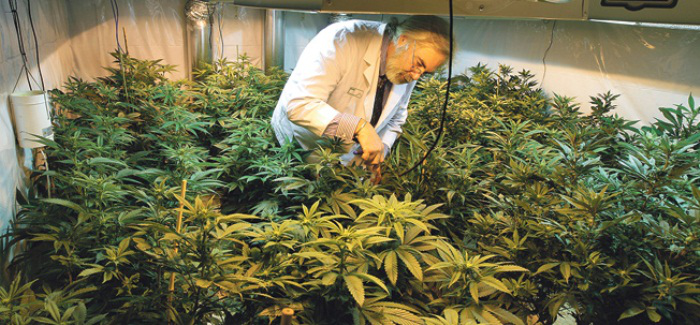
“Confession of a Doctor Who Drank Cannabis Oil: “I Had Cancer, Cannabis Oil Brought My Life Back”ent of all drugs. Classical medicine is my calling. However, when I faced lung cancer I tried everything”, says the doctor. He claims to be cured by cannabis oil.
The fifty-year old doctor from Serbia had been detected with lung cancer with metastasis to the lymph nodes 6 months ago. Stage two of three. He began to use cannabis oil. He now fully supports the opportunity to legalize marijuana for medical purposes. “Colleagues immediately did everything to help me. Diagnosis and biopsy were done within seven days. After the initial shock, I decided to go into battle against a very awkward opponent”. As an advocate of classical medicine, he began to go to chemotherapy and had to have over five cycles. “All possible alternatives were included . I used a variety of preparations, drops, syrup monastery … I have heard of the cannabis oil, but because its usage is prohibited by the law and is punishable, it was difficult to procure and to convince the seller that I am not a provocateur, “says P.B.
Before he started therapy he was unsure whether the therapy will work or not. “The symptoms I feel when I use cannabis oil is a dry mouth and sometimes mild transient feeling of head floating”, explains P.B.
The recent findings of his lungs are stunning. “After only three months of cannabis oil usage the cancer is reduced, and the last finding of scanner is good. My radiologist is delighted. I told my oncologist that I use cannabis oil, and he only shrugged and told me to use everything that I think can help me”, says P.B. There are many controversies in the world about the use of marijuana. “There is solid evidence that marijuana helps, but I support the continuation of experimentation with cannabis in order to find the best solution for patients,” said recently Dr. Cat Arni, famous physician who deals with the examination of the tumor.
***********************************************************************************************************************
NEWS
After Decades of Denial National Cancer Institute Finally Admits that “Cannabis Kills Cancer”
By Jay Syrmopoulos
After decades of claiming that cannabis has no medicinal value, the U.S. government is finally admitting that cannabis can kill cancer cells.
Although still claiming, “there is not enough evidence to recommend that patients inhale or ingest cannabis as a treatment for cancer-related symptoms or side effects of cancer therapy,” the admission that “cannabis has been shown to kill cancer cells in the laboratory,” highlights a rapidly changing perspective on medicinal cannabis treatments.
In the most recent update to the National Cancer Institute’s (NCI) website included a listing of studies, which indicated anti-tumor effects of cannabis treatment.
Preclinical studies of cannabinoids have investigated the following activities:
Antitumor activity • Studies in mice and rats have shown that cannabinoids may inhibit tumor growth by causing cell death, blocking cell growth, and blocking the development of blood vessels needed by tumors to grow. Laboratory and animal studies have shown that cannabinoids may be able to kill cancer cells while protecting normal cells. • A study in mice showed that cannabinoids may protect against inflammation of the colon and may have potential in reducing the risk of colon cancer, and possibly in its treatment. • A laboratory study of delta-9-THC in hepatocellular carcinoma (liver cancer) cells showed that it damaged or killed the cancer cells. The same study of delta-9-THC in mouse models of liver cancer showed that it had antitumor effects. Delta-9-THC has been shown to cause these effects by acting on molecules that may also be found in non-small cell lung cancer cells and breast cancer cells. • A laboratory study of cannabidiol (CBD) in estrogen receptor positive and estrogen receptor negative breast cancer cells showed that it caused cancer cell death while having little effect on normal breast cells. Studies in mouse models of metastatic breast cancer showed that cannabinoids may lessen the growth, number, and spread of tumors. • A laboratory study of cannabidiol (CBD) in human glioma cells showed that when given along with chemotherapy, CBD may make chemotherapy more effective and increase cancer cell death without harming normal cells. Studies in mouse models of cancer showed that CBD together with delta-9-THC may make chemotherapy such as temozolomide more effective.The NCI, part of the U.S. Department of Health, advises that ‘cannabinoids may be useful in treating the side effects of cancer and cancer treatment’ by smoking, eating it in baked products, drinking herbal teas or even spraying it under the tongue.
The site goes on to list other beneficial uses, which include: anti-inflammatory activity, blocking cell growth, preventing the growth of blood vessels that supply tumors, antiviral activity and relieving muscle spasms caused by multiple sclerosis.
Several scientific studies have given indications of these beneficial properties in the past, and this past April the US government’s National Institute on Drug Abuse (NIDA) revised their publications to suggest cannabis could shrink brain tumors by killing off cancer cells, stating, “marijuana can kill certain cancer cells and reduce the size of others.”
“Evidence from one animal study suggests that extracts from whole-plant marijuana can shrink one of the most serious types of brain tumors,” the NIDA said. “Research in mice showed that these extracts, when used with radiation, increased the cancer-killing effects of the radiation.”
Research on marijuana’s potential as a medicine has been stifled for decades by federal restrictions, even though nearly half of the states and the District of Columbia have legalized medical marijuana in some form.
Although cannabis has been increasingly legalized by states, the federal government still classifies marijuana as a Schedule 1 drug — along with heroin and ecstasy — defining it as having no medical benefits and a potential for abuse.
The vast majority of the $1.4 billion spent on marijuana research, by the National Institute of Health, absurdly involves the study of abuse and addiction, with only $297 million being spent researching potential medical benefits.
Judging by the spending levels, it seems the feds have a vested interest in keeping public opinion of cannabis negative Perhaps “Big Pharma” is utilizing their financial influence over politicians in an effort to maintain a stranglehold on the medical treatment market.
Jay Syrmopoulos is an investigative journalist, free thinker, researcher, and ardent opponent of authoritarianism. He is currently a graduate student at University of Denver pursuing a masters in Global Affairs. Jay’s work has been published on BenSwann’s Truth in Media, Chris Hedges’s Truth-Out, AlterNet, InfoWars, MintPressNews and many other sites.
*********************************************************************************************************************
 Loading... Please wait...